
Fishing: The Age-Old Practice Revitalized
Introduction to Fishing
Fishing is an age-old practice that involves catching fish from bodies of water for food, sport, or commerce. Historically, fishing has been a crucial activity for many communities, providing a primary source of sustenance and livelihood. Today, it remains both a cherished pastime and a vital commercial industry.
The Evolution of Fishing Techniques
Traditional Methods
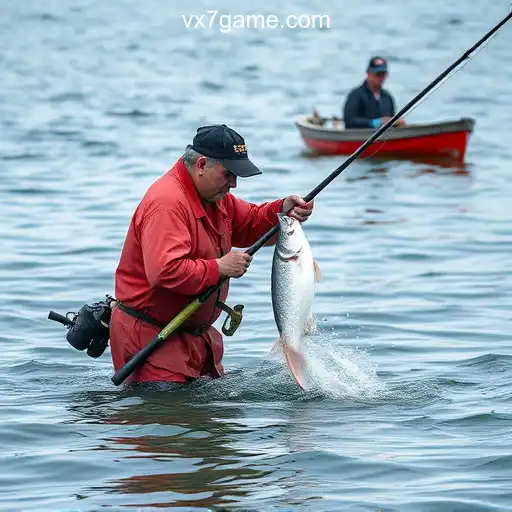
In the past, fishing was primarily executed through simple techniques such as spearfishing, using nets, or with basic fishing rods. These methods, though rudimentary by today's standards, played essential roles in sustaining communities by supplying necessary protein-rich food.
Modern Advancements
The advancements in technology have transformed fishing into a highly efficient and sometimes controversial practice. Modern fishing utilizes electronic equipment, sonar, and advanced GPS systems to locate and catch fish, enhancing the yield significantly compared to traditional approaches.
Fishing's Cultural and Recreational Aspects
Global Cultures and Fishing
Fishing is deeply embedded in the culture of many societies around the world. Countries like Japan, Norway, and parts of North America have longstanding traditions of fishing that are intertwined with their cultural identities. Festivals and events celebrating fishing are commonplace in these regions.
Fishing as Recreation
Besides its economic value, fishing is a popular recreational activity enjoyed by millions globally. Anglers often pursue this hobby as a way to connect with nature, experience adventure, and enjoy the tranquility of being on the water. In many parts, fishing is seen as a therapeutic activity that allows individuals to escape modern life's hustle and bustle.
The Economic Importance of Fishing
Fishing is a significant contributor to the global economy, providing employment and food for millions. Fishery products are a major export for numerous countries, driving economic growth and supporting local communities.
Commercial Fisheries
Commercial fishing involves capturing fish for commercial profit, often leading to large-scale operations. Key species targeted include tuna, salmon, and shrimp. While this industry is lucrative, it also faces challenges such as overfishing, which threatens biodiversity and the sustainability of fish stocks.
Sustainable Fishing Practices
With growing awareness around environmental conservation, there is a push towards sustainable fishing practices. Organizations and governments are increasingly focusing on policies and methods that balance the needs of nature with human requirements.
Innovative Solutions
Efforts to advance sustainable fishing include implementing stricter regulations, adopting eco-friendly technologies, and promoting aquaculture —the farming of fish in controlled environments. These steps are crucial in ensuring that fishing remains a viable industry for future generations.
Challenges Facing the Fishing Industry
Environmental Concerns
Overfishing and climate change pose significant threats to the fishing industry. These issues result in declining fish populations and disruption of marine ecosystems. Global efforts are underway to address these challenges, focusing on reducing carbon footprints and protecting marine reserves.
Regulatory Measures
The regulation of fishing practices through quotas, licenses, and seasonal restrictions are essential measures to control overfishing. Ensuring compliance with these regulations is necessary for maintaining healthy ocean ecosystems.
The Intersection of Fishing and Modern Technology
The Role of Online Platforms
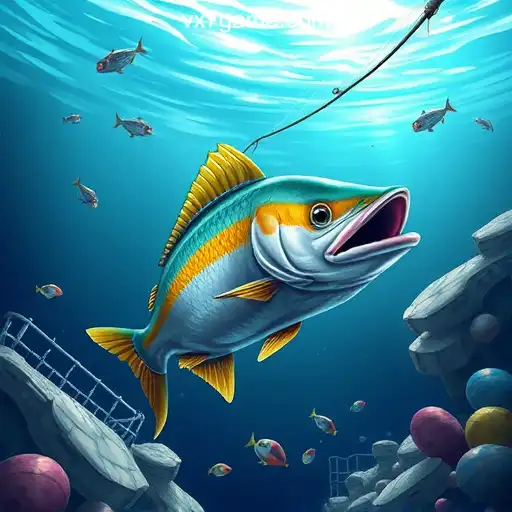
In today’s digital age, online platforms like VX7.game platform-online cassino Brasil #1 have started incorporating fishing as thematic elements in their gaming experiences. These platforms offer a virtual experience of fishing, blending traditional pastimes with modern entertainment technology. The incorporation of such themes into gaming can broaden fishing's appeal, attracting new enthusiasts.
Conclusion
From its historical roots to its contemporary relevance, fishing remains a crucial aspect of human life. Whether pursued for sustenance, sport, or digital entertainment, fishing holds an esteemed place in our cultures and economies. As advancements continue to shape the future of this industry, the delicate balance between technological progress and conservation remains vital in sustaining the rich tradition of fishing for generations to come.